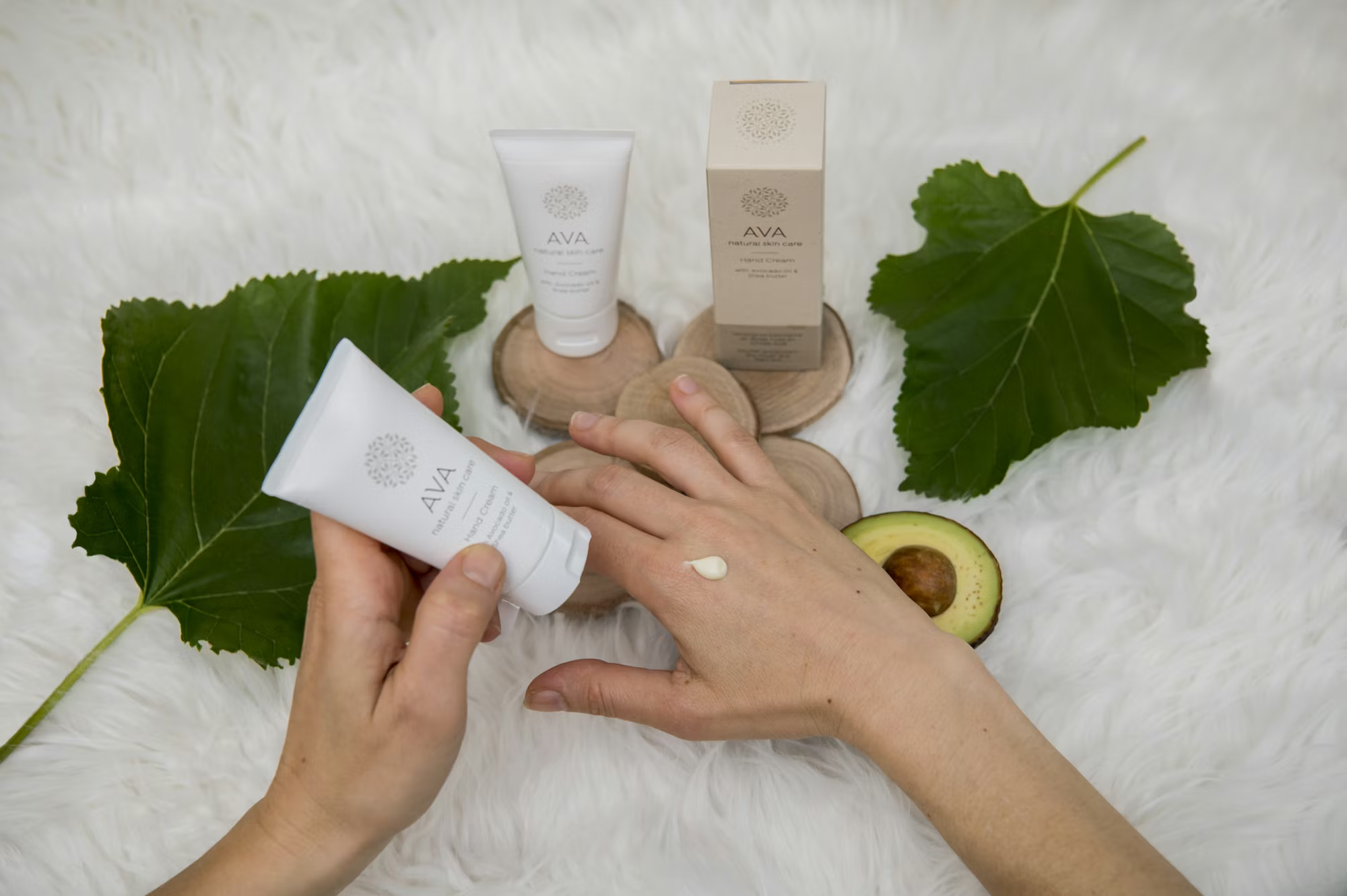
As awareness of health and environmental issues continues to grow, more people are turning to organic skincare as a safer and more sustainable option. Organic skincare products are formulated without synthetic chemicals, pesticides, or harmful additives, offering a gentler alternative for those seeking to enhance their natural beauty. This article explores the benefits of organic skincare, how to choose the right products, and tips for establishing a sustainable skincare routine that promotes healthy, radiant skin.
The Benefits of Organic Skincare
Organic skincare products are not only better for the environment but also for your skin. Here are some key advantages of opting for organic:
1. Gentle Formulation: Organic products are crafted from natural ingredients, making them less likely to irritate the skin. This is especially beneficial for those with sensitive skin or allergies.
2. Nutrient-Rich: Organic skincare often contains higher concentrations of beneficial nutrients such as vitamins, antioxidants, and essential fatty acids that nourish and protect the skin.
3. Eco-Friendly: By choosing organic, you support sustainable farming practices and reduce your carbon footprint, as these products are typically produced with minimal environmental impact.
4. No Harsh Chemicals: Organic skincare avoids harmful additives like parabens, sulfates, and synthetic fragrances, allowing your skin to breathe and function optimally.
5. Transparency and Trust: Many organic brands prioritize transparency, providing clear information about sourcing, production methods, and ingredient integrity.
Choosing the Right Organic Products
With the rise of organic skincare, the market is flooded with options. To ensure you select the best products for your skin type and concerns, consider the following tips:
1. Identify Your Skin Type: Understanding your skin type—normal, dry, oily, combination, sensitive, or mature—is essential for choosing suitable products. Each skin type has unique needs that organic ingredients can address effectively.
2. Read Labels Carefully: Look for certifications such as USDA Organic or Ecocert, which indicate that a product meets specific organic standards. Check ingredient lists to avoid products with fillers or unnecessary additives.
3. Prioritize Quality Ingredients: Focus on products that feature high-quality, organic ingredients known for their benefits, such as:
– Aloe Vera: Soothing and hydrating, perfect for all skin types.
– Coconut Oil: Deeply moisturizing and rich in antioxidants.
– Shea Butter: Excellent for dry skin, providing nourishment and moisture.
– Jojoba Oil: Balances oil production and hydrates without clogging pores.
4. Seek Out Trusted Brands: Research brands with a strong reputation for quality and ethical practices. Look for customer reviews and feedback to gauge effectiveness.
5. Test Before Committing: Whenever possible, try sample sizes or travel kits to test products before investing in full-size versions.
Establishing a Sustainable Skincare Routine
Creating a sustainable skincare routine with organic products doesn’t have to be complicated. Here’s a simple step-by-step guide to help you develop an effective regimen:
1. Cleansing: Start your routine with a gentle organic cleanser that removes impurities without stripping your skin. Look for ingredients like chamomile or calendula that calm and nourish.
2. Toning: Use an organic toner to balance your skin’s pH levels. Ingredients such as rose water or apple cider vinegar can help refresh and hydrate your skin.
3. Serum: Incorporate a nutrient-rich serum packed with antioxidants and vitamins. For example, vitamin C serums can brighten the complexion and reduce signs of aging.
4. Moisturizing: Choose an organic moisturizer suitable for your skin type. For oily skin, lightweight gels work well, while creams with richer formulations are ideal for dry skin.
5. Sun Protection: Protect your skin from harmful UV rays with organic sunscreen. Look for mineral-based formulas containing zinc oxide or titanium dioxide.
6. Weekly Treatments: Treat your skin with organic masks or exfoliants once a week. Ingredients like honey, oatmeal, and clay can provide extra nourishment and detoxification.
DIY Organic Skincare Recipes
For those who enjoy crafting their own products, here are two simple DIY recipes you can try at home:
Hydrating Honey and Oatmeal Mask
– Ingredients: 2 tablespoons honey, 1 tablespoon oatmeal, 1 tablespoon plain yogurt.
– Instructions: Mix the ingredients until smooth. Apply to clean skin and leave for 15-20 minutes before rinsing with warm water. This mask hydrates and soothes, making it ideal for all skin types.
Nourishing Face Oil
– Ingredients: 2 tablespoons jojoba oil, 1 tablespoon rosehip oil, 3 drops lavender essential oil.
– Instructions: Combine the oils in a small bottle and shake gently. Apply a few drops to your face after cleansing for deep hydration and nourishment.
Conclusion
The journey to radiant skin can be enhanced by incorporating organic skincare into your daily routine. By choosing products that prioritize natural ingredients, you not only support your skin’s health but also contribute to a healthier planet. Understanding your skin type, selecting quality products, and establishing a consistent regimen are essential steps toward achieving beautiful, glowing skin. With a little effort and commitment to organic practices, you can enjoy the myriad benefits of natural skincare, nurturing both yourself and the environment.